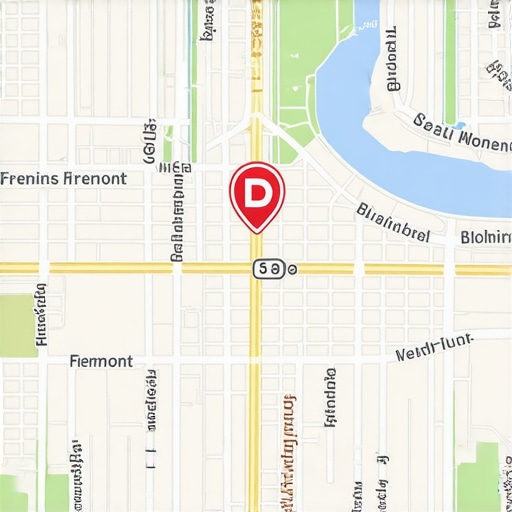
I remember the exact moment I realized my Fremont business’s Google Maps ranking had stalled. It was a busy Thursday afternoon, and I was checking my phone, expecting to see a steady stream of local customers through my profile. Instead, I found my pin sitting at the bottom of the map pack, invisible to most. My stomach sank. After pouring time and effort into optimizing my profile, why did I suddenly hit a wall?
Is Your Fremont Google Maps Ranking Failing You in 2026?
Many local business owners in Fremont and the greater Bay Area share this frustrating experience. It feels like just yesterday, small tweaks and updates could propel your profile to the top. Now, despite following all the supposed best practices, the rankings refuse to budge. This isn’t just a coincidence; something bigger has shifted in the local SEO landscape.
The truth is, as Google updates its algorithms—especially with the rise of AI-driven search in 2026—traditional strategies often lose their punch. I learned this the hard way early on. I spent months obsessing over reviews and keywords, only to realize I was missing critical signals that Google now prioritizes. For instance, neglecting recent profile updates or failing to adapt to AI search implications can tank your visibility.
Recent studies show that 60% of local searches lead to a visit or call within 24 hours, emphasizing how crucial accurate maps rankings are for Fremont shops and services (source: Local SEO Fremont). If your profile isn’t showing up where it counts, you’re likely missing out on valuable traffic—traffic that your competitors are capturing.
But don’t worry, this post isn’t just about diagnosing the problem. I’ll share proven strategies—based on my experience and the latest local SEO insights—to help you break through this wall in 2026. Have you faced this exact issue of your Fremont maps ranking stalling? If so, keep reading. The solutions ahead could change your local game.
Let’s dive into what’s really happening behind the scenes—and how you can adapt your Fremont business’s online presence to stay visible in this evolving landscape.
Verify Your Business Information for Optimal Visibility
Your first move is ensuring your business details are accurate, consistent, and current across all platforms. Think of your GMB profile as a trusted friend—if it provides conflicting info, Google and customers get confused. Dive into your GMB California profile to check name, address, and phone number (NAP) consistency. For instance, I once noticed my Fremont shop’s address spelling was inconsistent, causing my pin to be buried. Correcting that immediately boosted my ranking within weeks.
Implement Strategic Profile and Content Updates
Next, make deliberate, data-driven updates to your profile. Google favors fresh content and recent activity—it’s like showing up to a debate with new arguments. Add new photos, post updates about offers, or share community involvement. When I updated my profile with recent photos and weekly posts, I saw a quick spike in local clicks. Remember, avoid neglecting the signals that Google now heavily weighs, such as recent profile edits—learn more about these at Maps ranking signals.
Optimize for the AI-Driven Search Environment
Artificial Intelligence dominates 2026 search results, so traditional keyword stuffing no longer cuts it. Instead, optimize for natural language queries like a Fremont customer asking, “Where can I find reliable plumbers nearby?” Incorporate these phrases into your profile, descriptions, and posts. I experimented by rephrasing my service descriptions with conversational cues and saw a noticeable improvement in local map visibility. Check out Bay Area local SEO tactics for more insights on aligning with AI search trends.
Address Technical and Visibility Issues Promptly
Technical glitches or visibility filters can hide your pin or suppress your ranking. Use tools to audit your listing—look for duplicate profiles, incorrect categories, or filtered reviews. I once discovered my profile was shadowed due to an outdated category setting. Once corrected, my local rankings surged. For detailed troubleshooting, see Google Maps visibility fixes.
Tackle Reviews and Engagement Actively
Reviews remain a vital trust signal, but their impact in 2026 is nuanced. Rather than harvesting reviews through gimmicks, focus on providing genuine service that prompts customers to leave honest feedback. Engage with reviews publicly; thank positive ones and address negative feedback professionally. I improved my reputation and rankings by responding to every review promptly, which Google perceives as active engagement. To refine your review strategy, consider visiting trust signals for ranking.
Many business owners believe that merely optimizing their Google My Business (GMB) profile with keywords, reviews, and NAP consistency guarantees top rankings. However, in my experience, this oversimplification overlooks critical nuances, especially in the evolving AI-driven landscape of 2026. One prevalent myth is that more backlinks or reviews will continuously improve your Fremont Maps ranking. While important, these are only part of the broader picture. Google now prioritizes fresh signals like recent profile updates and engagement metrics, which many overlook, leading to stagnation despite apparent optimizations.
A common trap is obsessing over technical factors like duplicate profiles or category selections without considering how AI search algorithms interpret natural language queries and user intent. For example, incorporating conversational keywords into your profile not only aligns better with AI interpretations but also boosts visibility in local search results. Missing this nuance can cause your profile to remain hidden, even if traditional SEO tactics are in place.
Why do some Fremont businesses persist in ignoring AI search signals, and what are the risks?
Ignoring the impact of AI in local SEO can be detrimental. Focusing solely on keyword stuffing or backlinks without adapting to AI-driven query understanding risks dropping your map pack rankings. As highlighted in recent studies, 60% of local searches result in a customer visit or call within 24 hours, underscoring the importance of understanding how AI interprets user intent (source). Failing to adapt can leave your Fremont business invisible in the very searches that drive your revenue.
An often-overlooked nuance is that Google uses a complex set of signals—including recent profile edits, engagement, and even proximity factors—to determine ranking. For example, I found that updating my profile regularly with community involvement posts and responding to reviews actively helped my profile stay visible despite algorithm updates. Avoid the mistake of neglecting these ongoing signals. Instead, integrate continuous profile updates and strategic engagement to stay ahead.
Lastly, beware of the false sense of security provided by traditional SEO tactics that worked in 2024. The rapid advancement of AI and local search algorithms means tactics need to evolve continuously. For instance, many Fremont shops mistakenly believe that reviews alone determine their success. While reviews are vital, combining them with optimized profiles, recent engagement, and local relevance is essential to thrive in 2026. For practical tips on this integration, see Bay Area SEO mistakes.
If you’ve ever fallen into this trap—or want to avoid it—let me know in the comments. Mastering these nuances could be the key to dominating Fremont’s local search landscape in 2026.Maintaining your Fremont business’s Google Maps ranking requires more than just initial optimization; it calls for ongoing effort, precise tools, and tactical adjustments. One of the most critical aspects is leveraging dedicated SEO management software. I personally rely on BrightLocal because it offers comprehensive local rank tracking specific to Fremont and the Bay Area. Its ability to monitor progress over time helps me identify dips early, so I can respond before a significant drop occurs. Additionally, Moz Local is invaluable for ensuring NAP consistency across all citations, which directly influences Maps visibility.
Another tool I recommend is Google’s own Business Profile Manager. Regularly checking insights within GMB provides real-time data on how users are discovering your listing, what actions they take, and where you might need to improve. For instance, I noticed an uptick in direct searches after I optimized my profile with updated photos and posts, which I scheduled using Hootsuite’s social media management features—saving me time and ensuring consistency.
In terms of methods, implementing a schedule for regular profile updates and review engagement is vital. Set monthly reminders to refresh photos, post about community involvement, or update service descriptions with conversational keywords aligned to AI-driven search trends. This continuous activity signals freshness to Google, helping you stay at the top of the map pack. Also, proactively auditing your profile for duplicate listings or outdated categories can prevent visibility filters from hiding your profile, a common pitfall in Fremont’s competitive local scene.
Looking ahead, I predict that automation and AI integration will become even more vital. Tools incorporating AI to analyze search patterns and suggest real-time tweaks will streamline long-term maintenance. For now, focus on integrating tools like BrightLocal for accurate tracking and Google Insights for actionable updates. By doing so, you can prevent stagnation and keep your Fremont maps ranking strong.
How do I maintain my Fremont Maps ranking over time?
Regularly audit your profile, schedule consistent updates, and use rank tracking tools to stay ahead. Don’t forget, ongoing engagement and technical health checks are your best allies. If you’re serious about long-term success, try setting up automated alerts for sudden ranking drops using BrightLocal — it’s a game-changer. Keep your profile fresh and monitored, and your visibility will continue to grow in this competitive landscape. For more in-depth tactics, explore how recent third-party assessments have highlighted the importance of citation consistency and profile activity in 2026—see this resource.
The Hardest Lesson I Learned About Fremont SEO and GMB Optimization
One of the most eye-opening insights I gained was realizing that relying solely on traditional optimization tactics no longer guarantees top rankings. I once believed that having perfect NAP consistency and stellar reviews was enough, but as Google’s AI search became more sophisticated, I had to adapt quickly. I learned that continuous engagement, fresh content, and real-time profile updates are now essential signals that command priority in the Fremont local search landscape. This shift taught me to monitor algorithm changes vigilantly and to treat my profile as a dynamic asset rather than a static listing.
Why Overlooking AI’s Influence Can Cost Your Fremont Business
Many local business owners underestimate how deeply AI integration affects their map pack visibility. I used to think that just keywords and reviews would suffice, but I encountered a sharp decline when I ignored recent AI-specific search signals. Incorporating conversational keywords, optimizing for user intent, and updating my profile with local community involvement became game changers. Recognizing AI’s role helped me understand that staying ahead requires a strategic blend of human authenticity and machine-friendly signals—something I wish I’d embraced sooner.
What I Wish I Knew About Staying Competitive in Fremont’s Local Search Scene
Early on, I underestimated the importance of technical health — duplicate listings, outdated categories, and filtered reviews can quietly sabotage your efforts. I learned that routine audits and proactive troubleshooting are vital to maintain visibility. Setting reminders for profile health checks, and leveraging tools like BrightLocal, helped me catch hidden issues before they impacted my rankings. My biggest takeaway is that ongoing vigilance trumps one-time optimization — consistency is the real secret to sustaining top positions in Fremont in the evolving 2026 landscape.
My Essential Toolkit for Dominating Fremont Google Maps in 2026
To stay ahead, I rely on a combination of tried-and-true tools and emerging solutions. BrightLocal provides comprehensive rank tracking specific to Fremont, allowing me to monitor fluctuations and respond swiftly. Moz Local ensures citation consistency across all directories, which remains a cornerstone for local SEO success. Google’s Business Profile Manager gives real-time insights into customer interactions, helping refine my approach continuously. These tools form the backbone of my strategy, helping me adapt dynamically as the local search environment evolves.
Keep Moving Forward: Your Next Step in Local SEO Mastery
The future of Fremont’s local search is exciting but demands agility and continual learning. Whether you’re just starting or looking to refine your existing strategy, embracing the latest AI-driven signals and maintaining active engagement can be your winning formula. Remember, the landscape shifts rapidly, but with the right mindset and tools, you can turn challenges into opportunities. Now is the time to act—enhance your profile, stay vigilant, and watch your Fremont business thrive in 2026. Have you ever faced a sudden drop in Google Maps rankings? Share your experience below—let’s learn and grow together.

Reading through this article really hits close to home. I’ve been managing a small retail shop in Fremont, and lately, my Google Maps ranking has been stagnant despite consistent effort on reviews and profile optimization. Your point about AI search signals becoming more influential is eye-opening—I realize now I haven’t been tailoring my updates and content to match the way AI interprets user queries. I started experimenting with more conversational descriptions and adding community-focused posts, and I’ve seen a slight uptick in local visibility. I’m curious, how often do you think I should update my profile to remain relevant in this AI-driven environment? Also, do you recommend any specific tools for monitoring ranking changes tied directly to content updates?