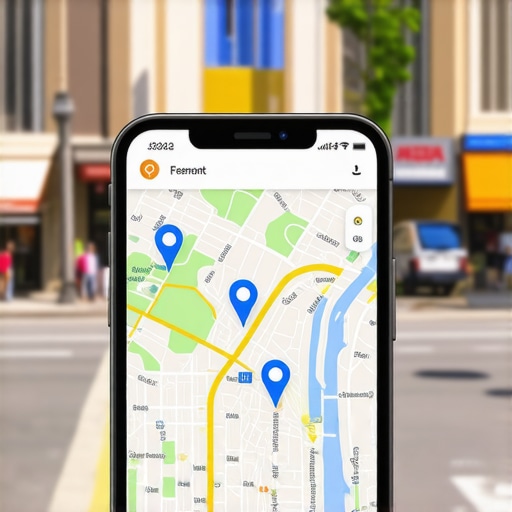
Have you ever driven past a local business in Fremont, only to realize it’s hidden behind outdated maps, or worse, invisible on Google? I’ve been there. I spent months trying to attract local customers, but my Google Maps listing was a ghost town. The frustration was real—until I discovered a game-changing realization: the power of strategic Google Maps optimization. That moment was like a lightbulb flickering on in a dark room. Suddenly, I saw a clear path to dominating local search and attracting more Fremont customers than I ever thought possible.
Why Google Maps Optimization Is a Must in 2024
In today’s hyper-competitive local market, simply having a Google My Business listing isn’t enough. According to a recent study, 78% of local mobile searches lead to an offline purchase within 24 hours (source). That’s why mastering your Google Maps rankings is essential. Improving your visibility means more foot traffic, more calls, and ultimately, more revenue. But here’s the kicker—many Fremont business owners overlook key optimization strategies that could skyrocket their local search presence. I made that mistake early on, neglecting to optimize my profile properly. The result? Missed opportunities and lost sales. Today, I want to share proven tips that transformed my local SEO game and can do the same for you.
Are Local SEO Strategies Really Worth the Hype?
Honestly, I doubted it at first. I thought, “Is all this effort really going to make a difference?” I was skeptical because I’d tried basic updates and saw little change. My biggest mistake was assuming that just listing my business was enough. It wasn’t. I learned that the right local SEO tactics—like keyword optimization, accurate NAP details, and engaging photos—are crucial. Once I focused on these, my Google Maps ranking improved dramatically. So yes, local SEO strategies are worth every ounce of effort when implemented correctly. For more insights, check out these proven strategies.
Now, let’s dive into the actionable steps that can help your Fremont business dominate Google Maps in 2024. Whether you’re a small shop or a service provider, these tips are designed to boost your visibility and attract local customers effectively.
Optimize Your Google My Business Profile
Start by claiming and verifying your Google My Business (GMB) listing if you haven’t already. Think of your GMB profile as your digital storefront; it must be complete and inviting. Fill out every detail—business name, address, phone number (NAP), website, hours, and categories—making sure they are consistent across all online platforms. I once neglected to update my hours during a holiday season, which caused confusion and lost calls. After correcting that, I saw an immediate bump in local inquiries.
Ensure NAP Consistency
Consistency is crucial. Your business name, address, and phone number should match exactly everywhere they appear online. Discrepancies confuse Google and hurt your rankings. Use tools like Moz Local or Whitespark to audit your listings and correct inconsistencies. I spent an afternoon cross-referencing my NAP info across directories, which helped stabilize my rankings in less than a week.
Leverage Keywords Strategically
Embed relevant local keywords naturally into your profile description, services, and posts. Think of keywords as the breadcrumbs that guide Google to understand your business niche. For my bakery, I included terms like “Fremont artisan bread” and “local Fremont bakery.” This targeted approach helped me rank higher for specific searches, resulting in more foot traffic. For detailed keyword research, check out these proven strategies.
Optimize Photos and Videos
Visual content is like window shopping—attractive photos draw in customers. Upload high-quality images of your storefront, interior, products, and team. I made it a point to add new photos weekly, showing seasonal updates and special events. Use descriptive filenames and alt text rich with local keywords. Videos, especially virtual tours or behind-the-scenes clips, boost engagement. I once posted a quick bakery tour, which significantly increased inquiries from nearby customers. For more tips, see these tips.
Gather and Manage Reviews
Reviews are the social proof that Google and customers trust. Actively solicit reviews from satisfied clients—politely ask after service or purchase. Respond professionally to all reviews, positive or negative, showing you value feedback. I implemented a follow-up email requesting reviews, which increased my review count by 30% in a month. More reviews improve your local ranking and credibility. To streamline review management, explore tools like Podium or Birdeye. For detailed review strategies, visit these strategies.
Use Local Posts and Updates
Regularly posting updates about promotions, events, or new products keeps your profile active and relevant. Think of these posts as digital billboards—if they’re fresh, they attract more attention. I posted weekly updates about special deals, which kept my business top-of-mind for local shoppers. Use keywords naturally in your posts and include calls to action. You can also add offers or event details, making it easier for customers to find and engage with your business. For more ideas, check these strategies.
Monitor and Adjust Your Strategy
Use tools like Google Insights or BrightLocal to track your profile’s performance—views, clicks, calls, and direction requests. Analyze what’s working and what’s not. For instance, I noticed a spike in directions after optimizing my profile images, which indicated the importance of visual appeal. Adjust your tactics based on this data, experimenting with new keywords, photos, or posts. Consistency and continuous optimization are key to climbing the local search ladder. For comprehensive monitoring tips, visit these tips.
Many Fremont business owners jump into Google Maps optimization with a set of widely accepted beliefs, but let’s dig deeper to uncover what most people get wrong. One common myth is that simply claiming your Google My Business (GMB) listing and adding basic information is enough. In reality, this is just the starting point. The true power lies in understanding the nuances of how Google’s algorithms evaluate relevance, proximity, and authority. For example, Google heavily weighs user engagement metrics—such as reviews, clicks, and calls—when ranking local listings. Neglecting these factors means missing out on significant ranking boosts.
Another misconception is that keyword stuffing in your profile description still works. In fact, overusing keywords can trigger spam filters and harm your rankings. Instead, focus on natural, contextually relevant keywords and focus on providing valuable information. Additionally, many believe that photos and videos are optional. But visual content significantly influences user engagement and trust—high-quality, optimized images with local keywords in filenames and alt text can give you a competitive edge.
What Advanced Marketers Know About Google Maps Rankings
For the seasoned SEO practitioner, the real secret is in building a robust local citation profile and earning high-quality backlinks from local websites. These signals enhance your business’s authority in Google’s eyes. Some overlook the importance of consistent NAP (Name, Address, Phone Number) data across all directories—discrepancies here can reduce your rankings. Moreover, advanced strategies involve leveraging local posts and timely updates, which keep your profile active and relevant in Google’s eyes. By analyzing your Google Insights data, you can identify patterns and adjust your tactics accordingly, ensuring sustained growth in your local search visibility.
One trap to avoid is relying solely on automation tools for review generation. While these can help, authentic reviews from genuine customers are what truly influence your rankings and reputation. Google’s algorithm values real customer feedback over manufactured reviews, so focus on providing excellent service that naturally encourages reviews.
To sum up, mastering Google Maps optimization requires a nuanced approach that combines technical precision with strategic content and reputation management. Do you think you’re applying these advanced tactics? If not, it might be time to refine your approach. Have you ever fallen into this trap? Let me know in the comments.
How do I maintain my Google Maps optimization over time?
Keeping your Google Maps ranking high is an ongoing process that requires the right tools and consistent effort. To manage your local SEO effectively, I rely on a combination of specialized software and strategic practices that ensure your profile remains optimized and competitive.
First, I recommend using BrightLocal for monitoring your local search performance. It provides detailed insights into your rankings, reviews, and citation consistency. I personally use it weekly to track changes and identify areas needing attention. BrightLocal’s automated reporting helps me see trends over time, allowing for data-driven adjustments, which is crucial given how dynamic local SEO can be.
Secondly, Google My Business Insights is indispensable. It offers real-time data directly from Google about how users interact with your profile—clicks, calls, direction requests, and photo views. I review these metrics monthly to gauge engagement and tweak my content or posts accordingly. For example, I noticed an increase in directions requests after updating my photos, which reinforced the importance of visual content.
Third, to keep your NAP data consistent across directories, I use Whitespark’s Citation Finder. It helps identify and correct any discrepancies in your business information, preventing lost rankings due to inconsistent citations. This process is ongoing; I run audits quarterly to ensure all listings are accurate.
Finally, I utilize review management tools like Podium or Birdeye. These platforms automate review requests and streamline responses, saving time while maintaining a strong reputation. Authentic reviews are vital, so I make sure to respond professionally and promptly to all feedback.
Looking ahead, the future of local SEO will likely involve more AI-driven insights and automation, making it easier to maintain and scale your maps rankings. As algorithms evolve, staying current with tools that adapt to these changes will be key. For example, Google’s recent updates emphasize user engagement metrics even more, so focusing on reviews and photo updates will continue to be crucial.
If you want to stay ahead, I encourage you to try integrating BrightLocal into your routine. Its comprehensive dashboards and reporting make long-term maintenance manageable even as your business grows. Remember, consistency is king—regularly reviewing your data and updating your profile is the best way to keep your Fremont business visible in Google Maps over time.
The Hardest Lesson I Learned About Google Maps Rankings
One of the most profound lessons I discovered was that merely claiming your Google My Business listing isn’t enough. I initially believed that filling out basic details would suffice, but I soon realized that ongoing engagement and optimization are essential to stay ahead in local search rankings. This taught me that continuous effort, not a one-time setup, is the secret to sustained visibility.
3 Myths About Google Maps Optimization That Held Me Back
For a long time, I believed that keyword stuffing and uploading random photos would boost my rankings. Both turned out to be misconceptions. Overloading keywords can trigger spam filters, and generic images don’t attract local customers. The real breakthrough came when I focused on natural keyword integration and high-quality, locally relevant visuals, which significantly improved my profile’s performance.
What Experts Won’t Tell You About Local SEO Success
Most experts emphasize quick fixes, but I learned that building genuine local citations and earning authentic reviews are what truly elevate your Google Maps rankings. These factors build trust and authority, which are invaluable. Patience and consistency are key—success doesn’t happen overnight, but the long-term payoff is worth the effort.

This post resonates with my experience running a small coffee shop in Fremont. I used to struggle with visibility on Google Maps, especially during peak hours when foot traffic should have been higher. The tips about NAP consistency and engaging visuals really hit home because I noticed a visible boost after updating my photos and making sure my business info was uniform across all directories. It’s fascinating how those small details can make such a difference in local search rankings. I particularly appreciate the focus on reviews—building a genuine rapport with customers and encouraging honest feedback really enhances credibility and trust. I wonder, what’s everyone’s take on balancing frequent updates without overwhelming potential customers? I’ve tried to keep my posts relevant and engaging, but sometimes I worry about over-communication. Would love to hear strategies from others who’ve successfully maintained an active yet unobtrusive profile. Overall, this guide provides a practical roadmap for Fremont businesses aiming to boost their local presence—definitely considering implementing some new tactics myself!
This article really hits close to home. I run a small retail store in Fremont, and I’ve noticed how crucial it is to keep Google Maps listings fresh and accurate. That moment when I realized that incorrect hours and mismatched NAP info were hurting my visibility was a revelation. Implementing tighter control over my profiles, especially with consistent details and regularly updating photos, made a noticeable difference. It’s interesting how small tweaks can dramatically improve local reach. One thing I struggle with, though, is managing ongoing review feedback without it becoming overwhelming. How do others here approach reviewing and responding authentically without spending hours daily? I’ve heard that automation tools can help, but I worry about losing that personal touch. This piece has motivated me to revisit my local SEO strategies and really focus on continuous engagement. Would love to hear any tips on balancing active profile management while staying authentic.
This post really emphasizes the importance of consistent optimization and ongoing engagement. I had a similar experience with my Fremont-based landscaping business. Initially, I thought claiming my GMB profile was enough, but I quickly learned the value of regularly updating photos, responding to reviews, and using local keywords in posts. One thing I’ve found helpful is leveraging customer feedback to create new posts and showcase recent projects—it keeps the profile alive and relevant. Has anyone used social media or email campaigns to encourage more reviews or direct customers to leave feedback? I find that personal outreach works best for my niche, but I’m curious about how others balance automated tools with authentic customer interaction. Overall, this article provides actionable tips that I believe can truly help small businesses stand out locally. The key is staying committed to continuous improvement—what strategies have others found most effective in maintaining high engagement levels consistently in Fremont?